
Alert TV is a regional Greek television channel that focuses on news, local events, talk shows, and community-oriented programming.
Despite being smaller than major national networks, it has gained a loyal audience. Through satellite broadcasting, Alert TV can reach viewers beyond its local terrestrial reach.
Satellite Transmission Basics
To receive Alert TV via satellite, viewers must enter the correct technical settings into their satellite receivers. These include:
- Frequency (MHz)
- Polarization (Horizontal or Vertical)
- Symbol Rate
- Forward Error Correction (FEC)
Accurate configuration is essential for achieving a stable and clear signal.
Alert TV on Hot Bird Satellite
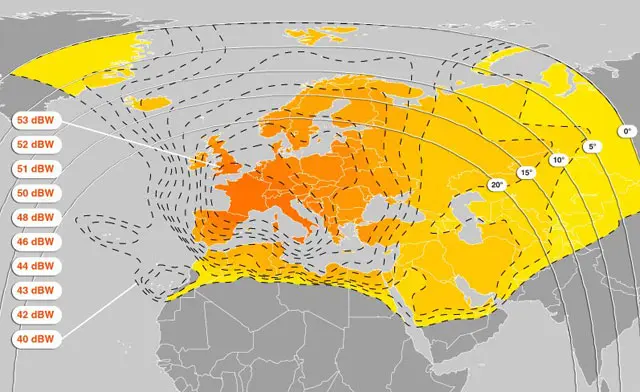
Hot Bird at 13° East is one of the main satellites that may carry Greek regional channels, including Alert TV. It offers wide reach across Europe, North Africa, and parts of the Middle East.
Typical transmission settings (subject to updates):
- Frequency: 12341 MHz
- Polarization: Horizontal
- Symbol Rate: 27500
Hot Bird is widely used due to its strong signal and broad footprint.
Availability on Other Satellites
Alert TV may also show up on other satellites, especially those operated by Eutelsat or regional providers. Availability can vary depending on broadcasting agreements and geographic reach. In some cases, the channel may be temporarily available on different frequencies or satellites.
Free-to-Air vs Subscription Access
Alert TV is often available as a free-to-air channel, making it accessible without a subscription. However, certain satellite feeds may be included in subscription packages depending on the provider or region.
Reasons for Frequency Changes
Satellite frequencies are subject to change due to several reasons, including:
- Technical upgrades
- Changes in satellite operators
- Licensing agreements
- Optimization of transmission capacity
Regularly updating receiver settings helps keep uninterrupted availability.
Tips for Receiving Alert TV
- Ensure correct positioning of the satellite dish
- Enter accurate and up-to-date frequency settings
- Perform regular channel searches
- Follow trusted satellite frequency refresh references
How Satellite Internet Coexists with TV Broadcasting
- Satellite internet and TV use different frequency ranges.
- Special equipment separates data and video signals.
- Both services can operate simultaneously without interference.
- This allows users to availability internet and TV from the same dish system.
The Difference Between Horizontal and Vertical Polarization in Satellite Channels
- Horizontal polarization transmits signals parallel to the الأرض.
- Vertical polarization transmits signals perpendicular to the الأرض.
- Each type reduces interference between channels.
- The receiver must match the correct polarization to get the signal.
The Future of Satellite Broadcasting and Modern Technologies
- Advancements in 4K and 8K broadcasting technologies.
- Integration of satellite and internet-based services.
- Improved compression technologies for better quality.
- Expansion of global satellite reach and connectivity.
How Satellite Footprints Determine Channel Availability
- Satellite footprints define the reach area on Earth.
- Channels are only available within specific reach zones.
- Signal strength varies depending on your position in the footprint.
- Being outside the reach area results in no signal reception.
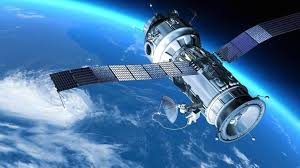
How Satellite Signals Are Transmitted to Earth
- Satellites receive signals from ground stations and retransmit them back to Earth.
- Signals travel as electromagnetic waves through space.
- Ground dishes capture and focus these signals to the LNB.
- The receiver decodes the signal into audio and video.
The Future of Satellite Broadcasting and Modern Technologies
- Advancements in 4K and 8K broadcasting technologies.
- Integration of satellite and internet-based services.
- Improved compression technologies for better quality.
- Expansion of global satellite reach and connectivity.